


.avif)
.avif)
.avif)

iPhone Text Effects: Tips and Tricks
September 21, 2026

Phones


Looking for the best camera phone you can buy in 2026? You’ve come to the right place. We’ve tested dozens of smartphones and chosen the models that offer the best camera technology and software you can buy. Our picks include flagship models from Apple (the iPhone 18 Pro), Samsung (the Samsung Galaxy S26 Ultra) and Google (the Google Pixel 11 Pro).
Read on as we break down these picks and tell you why they deliver the best photo-taking tools on the market.
{{takeaways}}
Every phone on this list was chosen with the following criteria in mind:
Let’s dive into finding the perfect camera phone for you.
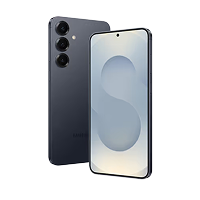
The Galaxy S26 Ultra brings meaningful camera upgrades over the S25 Ultra. The 200MP Wide camera now opens to F1.4, letting in significantly more light and delivering 47 percent improved brightness — a notable improvement for low-light and portrait shots.
The 50MP Telephoto, with 5x optical zoom and 10x optical quality zoom, also sees a wider aperture at F2.9, improving brightness by 37 percent even at full zoom. Rounding out the rear system is a 50MP Ultrawide camera, while the front camera now includes AI ISP for more refined, natural-looking selfies.
Notable enhancements include improved nighttime video through Nightography, which adds noise reduction to bring out more color and detail in low-light footage. The Super Steady feature also gains a new Horizontal Lock, keeping video smooth and level even when walking or running with the camera tilted.
Why We Chose This Phone
The S26 Ultra is built for users who want serious camera performance. The wider F1.4 aperture on the main camera makes a real difference in low-light situations, and the 100x Space Zoom — powered by AI Zoom — lets you pull in distant subjects with a surprising amount of detail. Photo Assist continues to offer hands-on editing tools, and now supports simple text prompts for quicker edits.
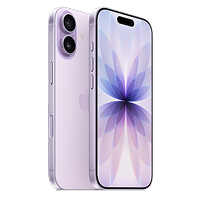
The iPhone 18 Pro makes a strong case as one of the best camera phones on the market, built around a triple 48MP Fusion lens system — main, ultra wide, and telephoto all shoot at full 48MP resolution. The standout is the main camera's variable aperture (ƒ/1.48 to ƒ/4.0), a first for iPhone, giving photographers real control over depth of field instead of relying purely on software blur. The telephoto lens covers 100mm and 200mm focal lengths for up to 8x optical-quality zoom and a 16x total optical range, while the 18MP Center Stage front camera adds sharper selfies and smarter face tracking for FaceTime and video calls.
Apple's low-light performance takes a real leap here — about 50% better at ƒ/1.48 than the previous generation, paired with an upgraded Night mode that pulls in more detail without the grain. Photographic Styles 3 lets you fine-tune texture, grain, tone, and color per shot, and new editing tools like Extend and an enhanced Clean Up make cleanup and reframing far less fiddly after the fact.
Powered by the A20 Pro chip and its dual 16-core Neural Engine, the iPhone 18 Pro is just as serious about video as stills — think ProRes RAW, Apple Log 2, 4K at 120fps in Dolby Vision, and Dual Capture for shooting front and rear cameras at once. It's a phone built for people who want DSLR-level control without carrying a second bag.
The Google Pixel 11 Pro raises the bar for AI-powered photography with its 50MP main sensor, 48MP ultrawide lens, and 48MP telephoto camera, all powered by Google's new Tensor G6 chip. Google also upgrades the front-facing camera to a sharper 42MP ultrawide sensor, making it easier to fit more people — and more background — into every selfie.
With the Tensor G6 chip, the Pixel 11 Pro delivers some of the best smartphone photography in the industry. The triple rear camera system shines when it comes to dynamic range, portrait effects, and AI-driven image clarity. The 6.3-inch Super Actua display, capable of hitting up to 3,600 nits of peak brightness, makes it easy to frame and review shots even in direct sunlight, while Corning Gorilla Glass Victus 2 helps keep that display protected.
The Pixel 11 Pro also supports up to 16GB of RAM and as much as 1TB of storage, backed by a 4,850 mAh battery — making it a powerful, long-lasting tool for casual users and photography enthusiasts alike.
Getting sticker shock at some phone prices? Our free, unbiased phone deal finder can help. Just input some info about what kind of phone you're looking for and who your current carrier is, and we'll be able to find you the best deals on phones based on your circumstances.
If you want to do a little more research on which phone cameras are best, you’ll need to take more than megapixels into consideration. Here are some additional factors to consider:
Consider the type and quality of lenses (wide, ultrawide, telephoto), aperture sizes, and special features like an optical zoom lens and night mode. These aspects determine the versatility and performance of the camera in various shooting conditions.
We recommend taking a look at some example photos in multiple modes taken with each model you’re considering, so you can get an idea of the kind of photos you’ll be able to capture. For example, if you love taking portraits of your pets, you probably care more about the focus or zoom features of a camera. If you’re a big selfie fan, then the front camera matters most.
Nowadays, a lot of photo quality comes down to how the phone’s processor renders the images. A good processor can turn a blurry shot of the moon into a stunning snap to share with friends. Advanced processors improve the speed and enhance features like image stabilization, HDR, and low-light performance.
High-resolution images and videos can take up significant space. Consider phones with ample internal storage. Of course, this one isn't so important now that it's possible to make use of cloud storage tools such as Google Cloud or Dropbox.
The ease of using the camera app and the availability of manual controls can greatly affect your photography experience. If you prefer more control over your shots, look for user-friendly interfaces with advanced settings.
Don’t forget to think about quality-of-life features like fast charging, long battery life, display quality, and durability, as they’ll contribute to your overall experience of using the phone.
Last but not least, determine your budget and compare it against the features and performance of various models. Sometimes, previous-generation models can offer excellent camera capabilities at a more affordable price.
By considering these factors, you can choose a camera phone that not only takes great photos but also makes your life a little better. Remember, the best camera phone is the one that helps you take the photos you want to take.
Nowadays, anyone can become an amateur photographer — with the right camera phone. From the versatile iPhone 18 Pro to the zoom-heavy Galaxy S26 Ultra and the AI-savvy Pixel 11 Pro, our top picks showcase the best of what the smartphone market has to offer in camera technology.
Whether you're an aspiring photographer, a social media enthusiast, or simply someone who loves to capture life's everyday moments, one of our top picks is sure to be the perfect fit for you.
Not sure where to start? Our free, unbiased Phone Deal Finder makes the journey to finding your ideal phone a breeze. Just input a few details about your current phone and carrier, and we'll find you the best deals on phones.
The iPhone 18 Pro is widely regarded as one of the top picks for overall camera quality, thanks to its variable-aperture main lens and well-rounded Fusion camera system. That said, the Galaxy S26 Ultra gives it a real run for its money with its wider apertures and massive zoom range, and the Pixel 11 Pro isn't far behind thanks to Google's AI-driven image processing.
A 12MP to 50MP camera is typically sufficient for most smartphone users. Cameras with 12-16MP offer good quality for everyday photos, while 50MP+ sensors provide more detail and better cropping flexibility, especially for large prints or advanced editing. However, megapixels aren't the only factor — sensor size, lens quality, and software also significantly impact photo quality.
All three offer top-tier cameras, but it comes down to what you value most. The Galaxy S26 Ultra leads on zoom range and brightness, even at full magnification. The iPhone 18 Pro stands out for creative control, with a true variable aperture and a serious pro-level video toolkit. The Pixel 11 Pro leans on Google's Tensor G6 chip and AI processing to deliver consistently great shots with minimal effort, making it a great pick if you'd rather point and shoot than fuss with settings.












.png)