


.avif)
.avif)
.avif)
.avif)

iPhone Text Effects: Tips and Tricks
September 21, 2026

Phones


These days, practically every smartphone offers some degree of water resistance. But certain handsets go above and beyond, offering full waterproofing.
The amount of water resistance is denoted by the handset's IP rating. The phone's we've listed in this article have the highest IP ratings around (IP68), giving you full peace of mind that if you drop your device in the water, it will remain functional afterwards.
Read on as we go into depth on each of these devices, explain what IP ratings equate to, and distinguish between water resistance and waterproofing.
{{cta_carousel}}
Waterproof and water-resistant sound like the same thing. But in reality, the two terms mean something different.
A waterproof smartphone is a device with an IP68 rating. Specifically, waterproof mobile devices can be submerged in more than one meter of water. Each waterproof mobile device’s exact submersion depth is specified by its manufacturer — for example, Android phones may be able to withstand a different depth than other cell phones. Furthermore, waterproof mobile devices can be submerged in water down to their specified depths for more than 30 minutes.
In contrast, a "water resistant" smartphone has an IPX7 rating. That means they can be submerged in water up to 1 m (but not beyond) and only for 30 minutes. So they’re still pretty resistant against water damage, but not as much as fully waterproof phones.
Wondering if your phone is waterproof? Just check the IP rating. You can find that on the back on your phone. If you can't spot the IP rating, just check your phone's specs on the manufacturer website.
Let’s break down IP ratings in more detail.
"IP" stands for "ingress protection." It's a rating that tells you how well a mobile device is protected from dust (or other solid debris) and water (or other liquid hazards).
The first number in an IP rating tells you how dust-resistant it is. A device with an IP5X rating is fully dust resistant and should never be damaged by solid debris. IP6X ratings are even better in this regard.
IPX8 ratings are required for a phone manufacturer to claim the device is waterproof. But some phones even have IPX9K ratings, which means they can resist high pressure and high-temperature water sprays, even at close range. Very few phones are tough enough to earn this rating.
Waterproof phones essentially work by using special sealants or components, which protect their sensitive internal components from being damaged by water, or which prevent water from getting into a phone’s interior compartments in the first place. For example, headphone jacks and triple camera systems would need to somehow be secured and able to withstand a dunk in water.
Submersion is not the same as being exposed to high-pressure water sprays. For example, an IP8X phone might be fully waterproof. But if you were to spray it with a hose, some water droplets might still get into the phone and damage or destroy it.
Similarly, IP8X waterproof phones can’t be submerged in depths greater than what the manufacturer recommends. If they are, they could be damaged by water due to pressure or other factors affecting their defensive design elements.
Remember, waterproofing does not necessarily speak to the phone’s ability to resist other forms of damage. Even if your phone is waterproof, it could still be damaged if you put it in ice or other liquids (particularly anything acidic).
So while waterproofing or water resistance is an important part of phone durability, it’s not the end-all-be-all.
Note: While all the phones we mention here will have an IP68 rating, but the rating itself doesn’t have a standard “amount of water" in which the devices can be safely submerged. The conditions are agreed between the manufacturer and user, which means they can have different amounts and time and still have the same rating. That explains why you might see slightly different depths allowed on phones with the same rating.
The market is (pardon the pun) awash with phones that sport the coveted IP68 rating that ensures some level of waterproofing. These are some of the best options in 2026.
The market is (pardon the pun) awash with phones that sport the coveted IP68 rating that ensures some level of waterproofing. These are some of the best options in 2026.
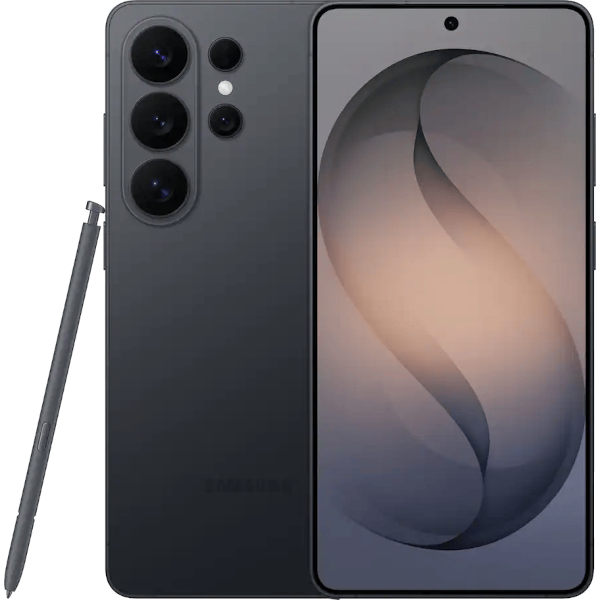
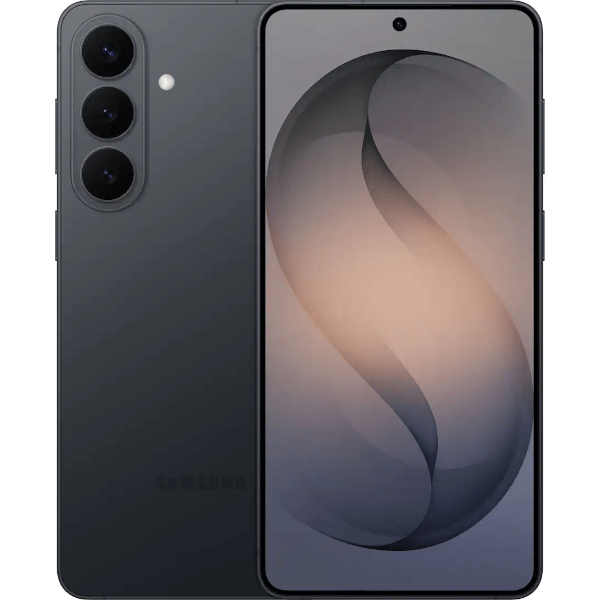
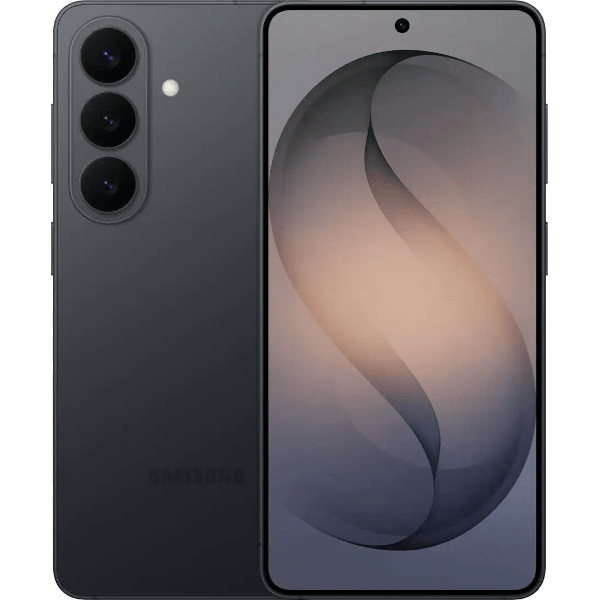
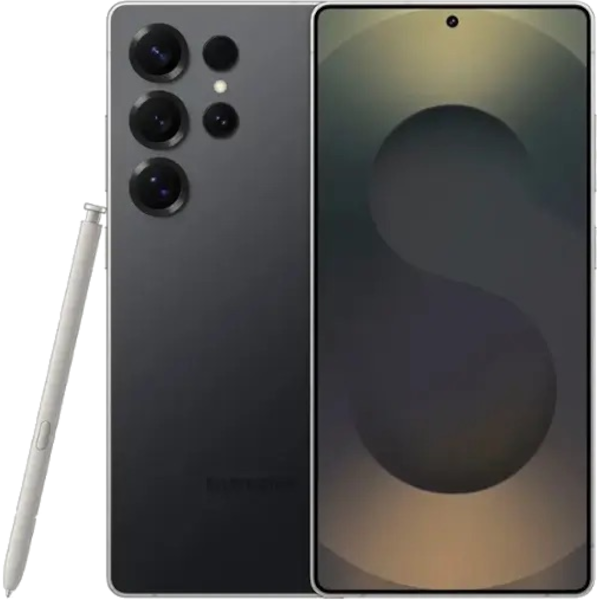
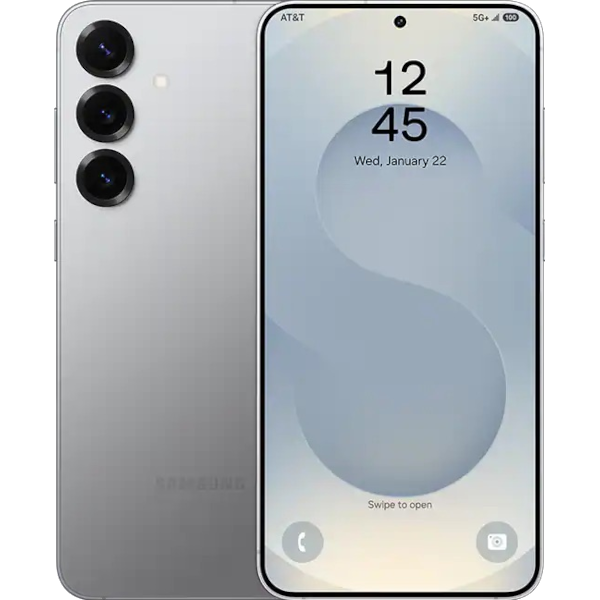
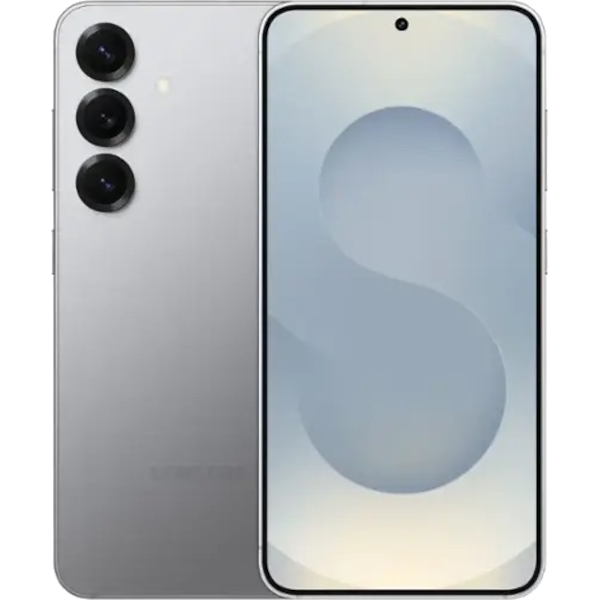
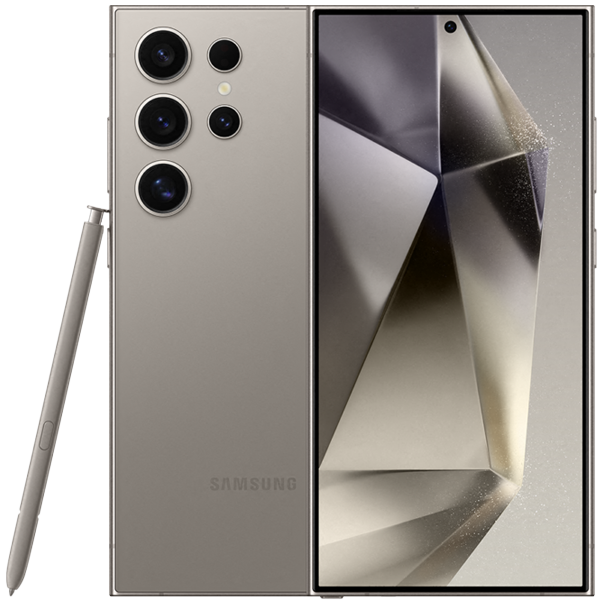
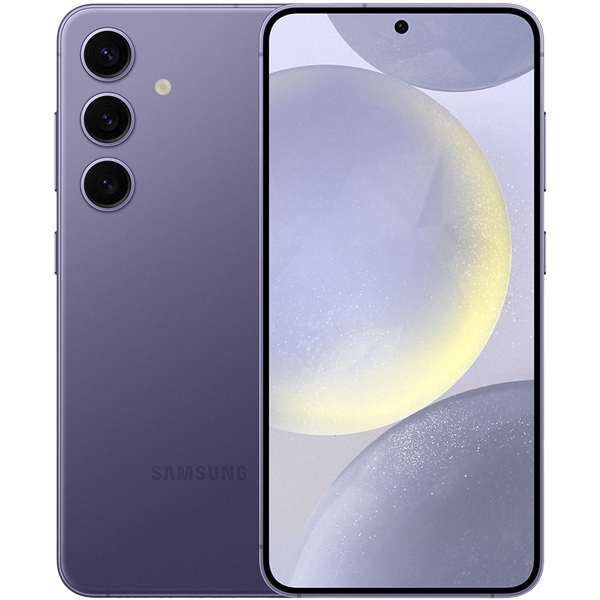
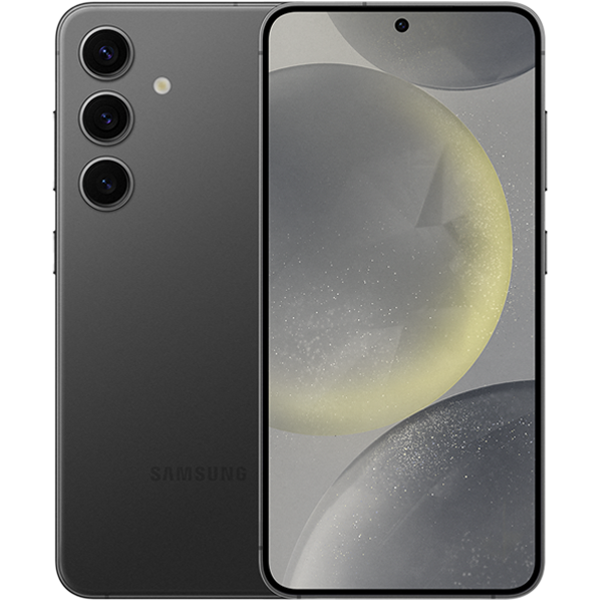
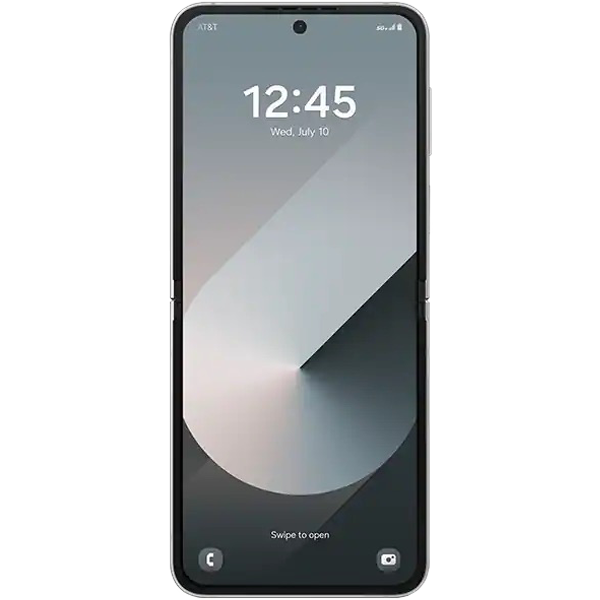
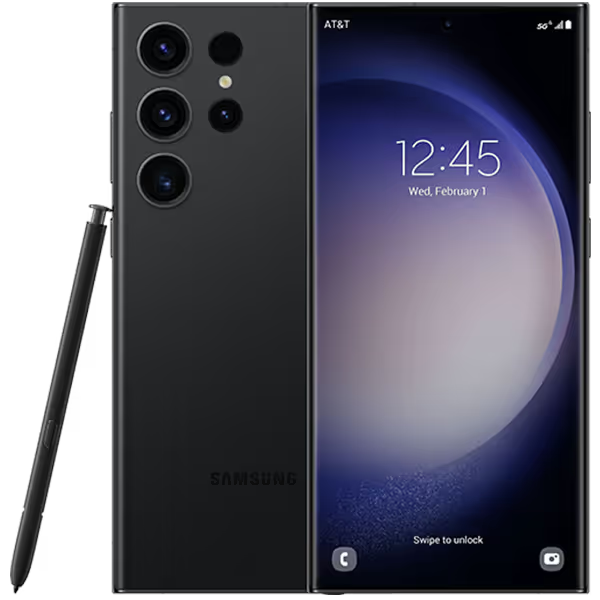
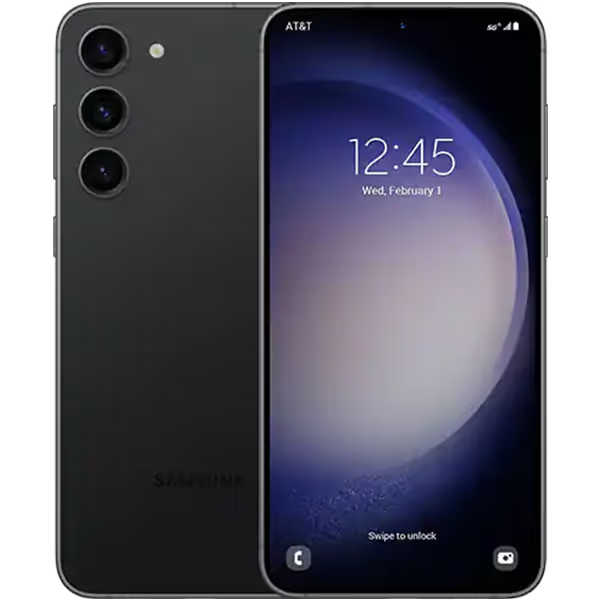
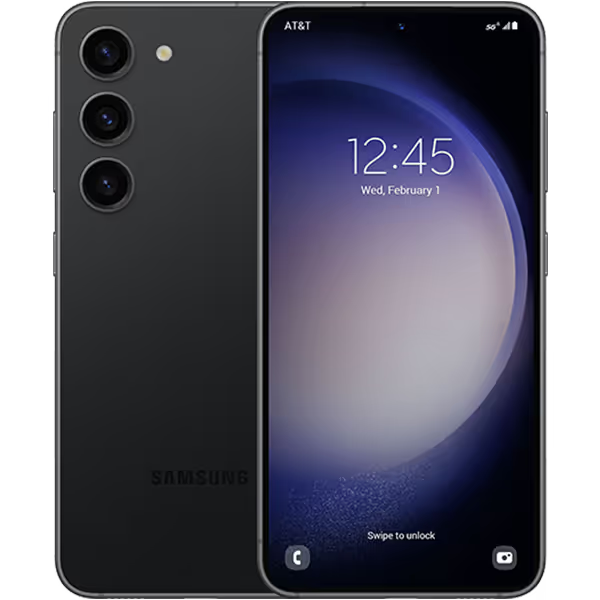
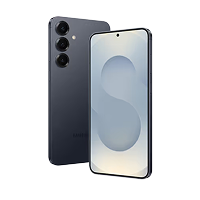
Samsung's flagship Galaxy S26 series, which includes the Galaxy S26 Ultra, already has a lot going for it. These phones' waterproof durability is just one more feather in their proverbial cap. As IP68-rated phones, they can withstand submersion in water down to 1.5 meters, or about 5 feet, for up to 30 minutes and are fully dust-proof.
That said, phones in this series are great for folks looking for durable mobile devices they can rely on for a long time. Other benefits, like a Qualcomm Snapdragon 8 Elite chip built specifically for Galaxy and an excellent display with a 120Hz refresh rate, make this gadget a top choice regardless of your phone preferences or other needs. The Ultra model also brings back the S Pen stylus, a nice bonus if durability isn't the only thing on your checklist.
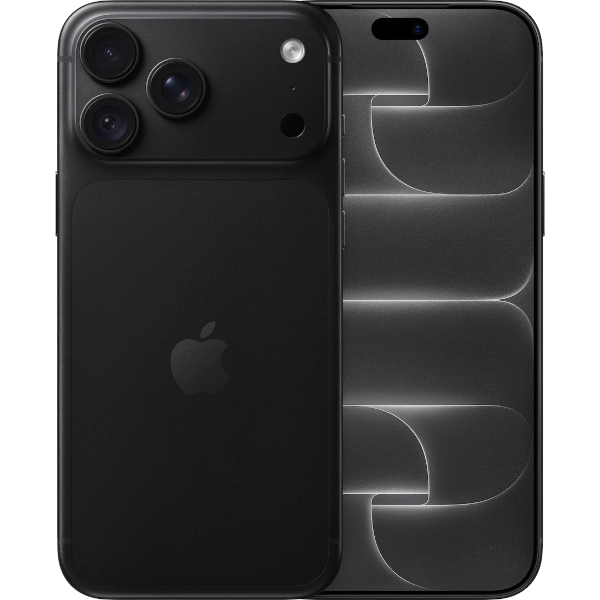
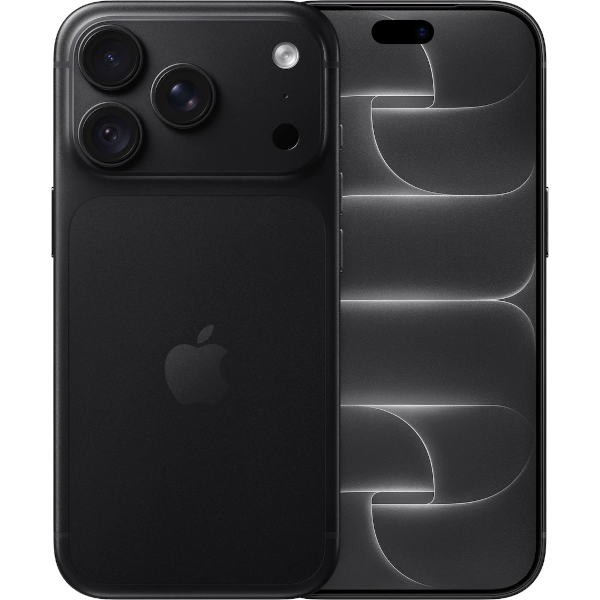
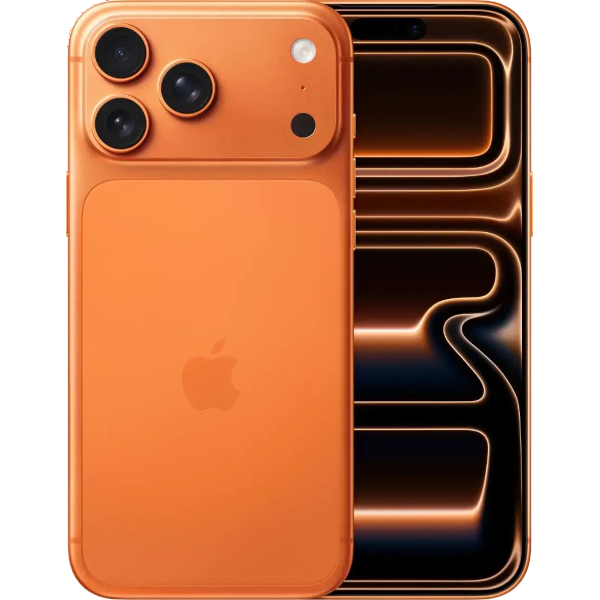
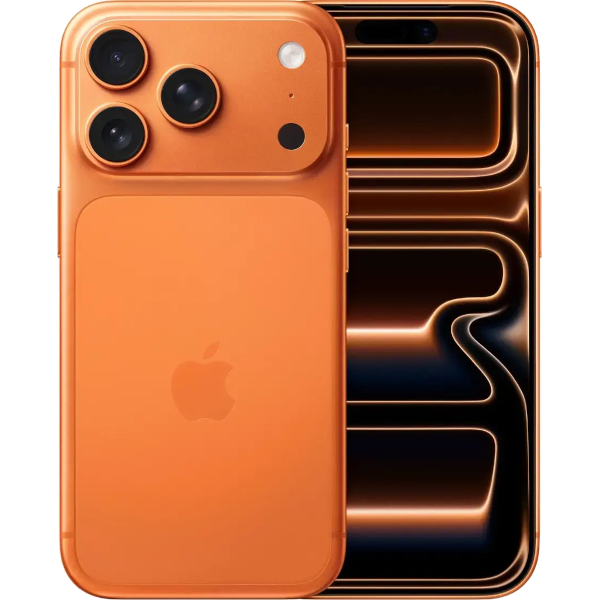
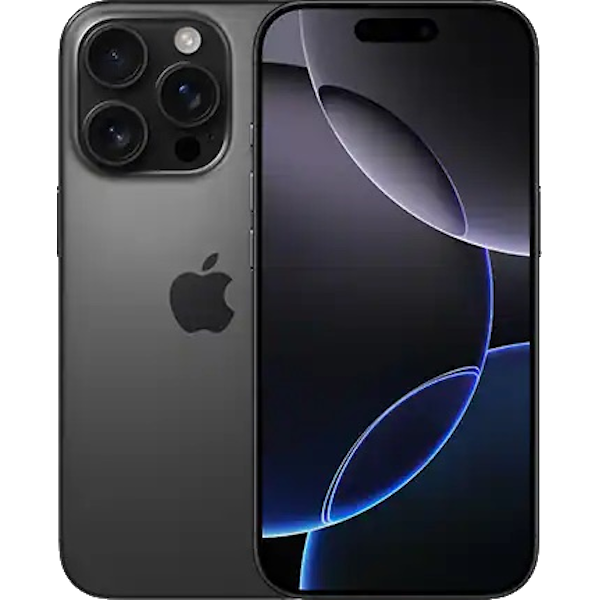
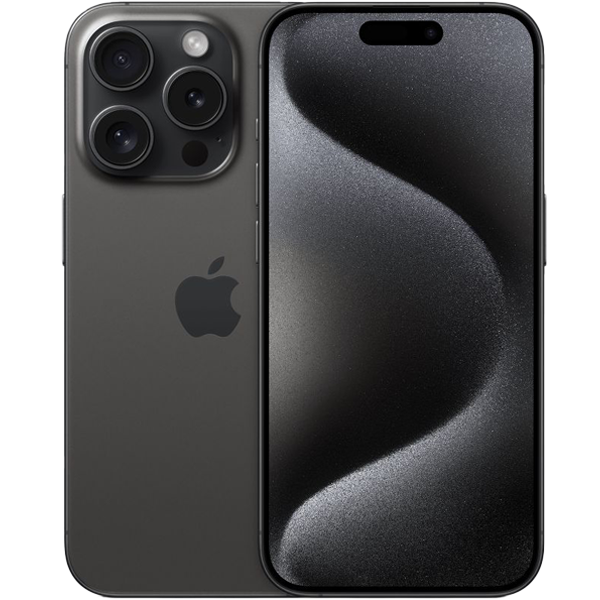
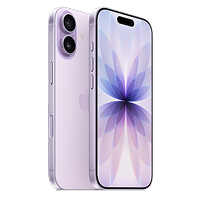
Apple's iPhone 18 Pro and iPhone 18 Pro Max are packed with the company's latest cameras and hardware, but they're also built to survive the occasional mishap. Both models are rated IP68 for water and dust resistance, which means they can handle being submerged in up to 6 meters of fresh water for half an hour.
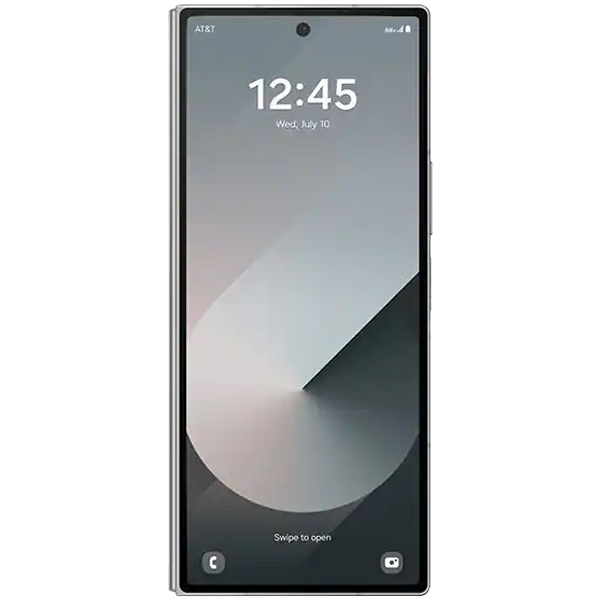
While that doesn't make them true "waterproof" devices, it does give you peace of mind if your phone slips into the tub, gets wet in a rainstorm, or takes a splash at the kitchen sink. One thing to note, however: salt water and pool water fall outside the official testing. Worth watching this space, too: Apple just unveiled its first foldable, the iPhone Duo, launching October 23 with the same IP68 rating and full dust protection, something Samsung's own foldable can't yet claim.
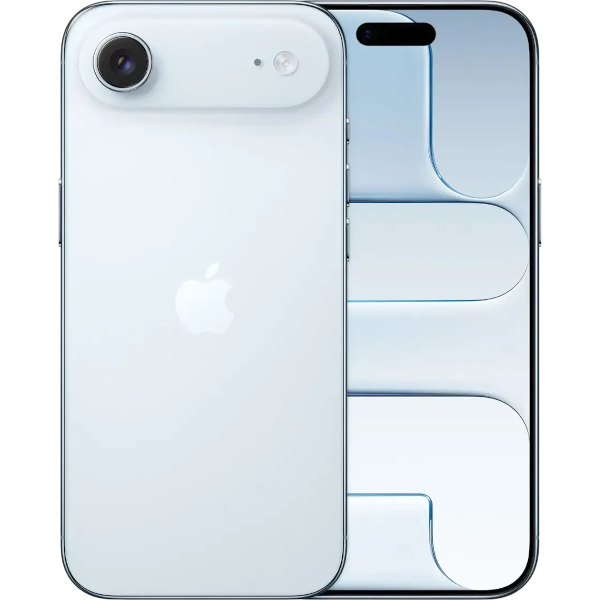
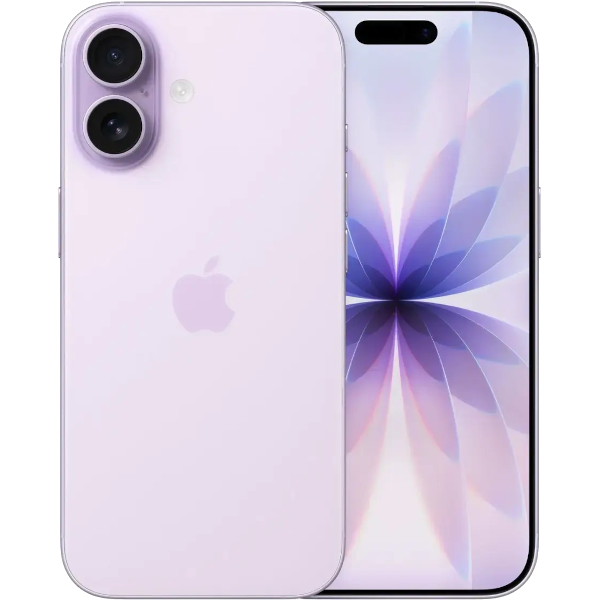
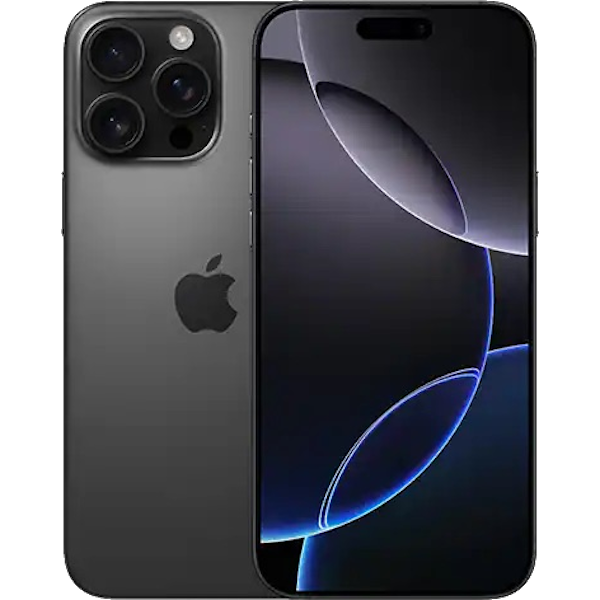
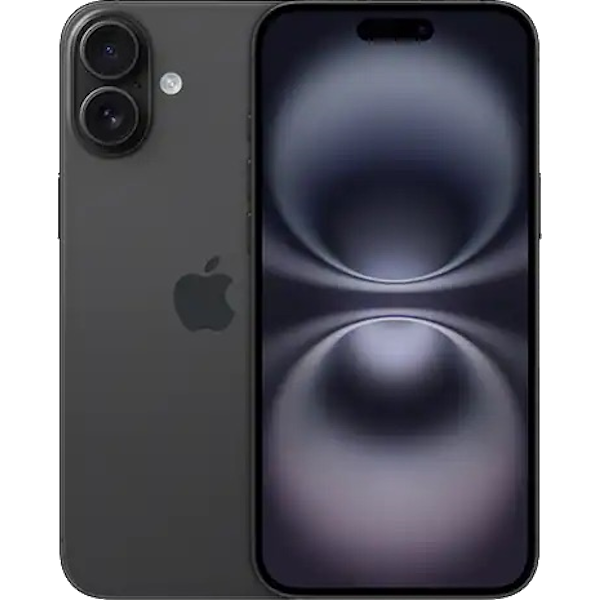
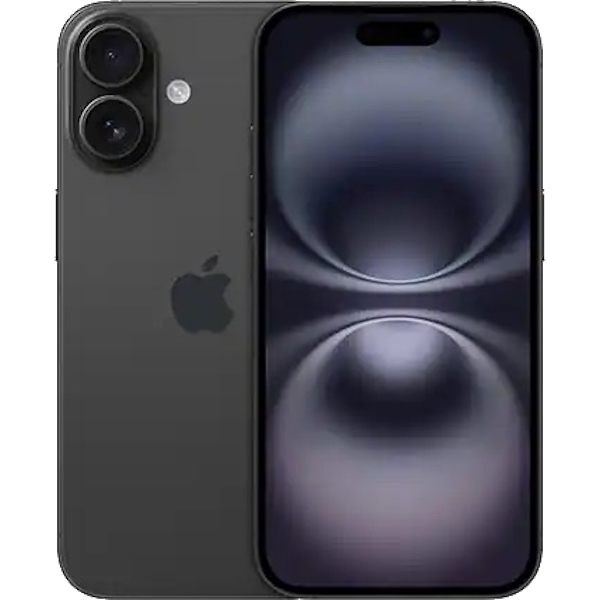
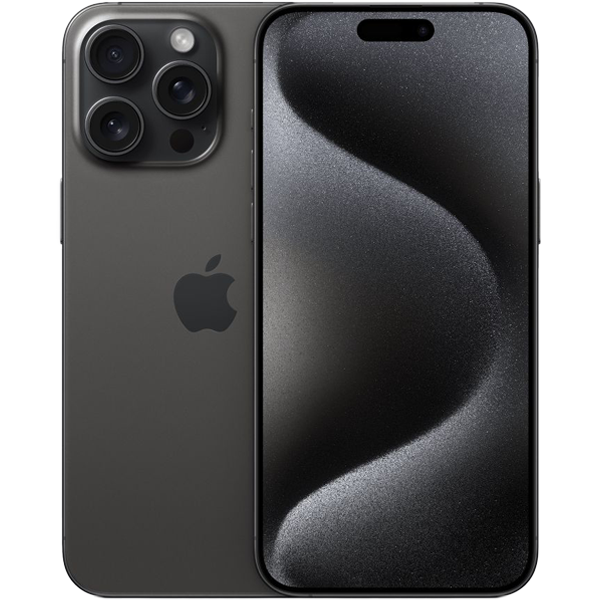
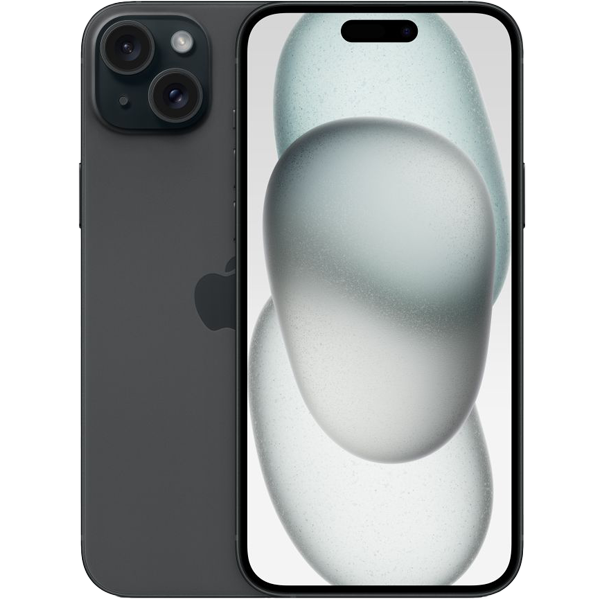
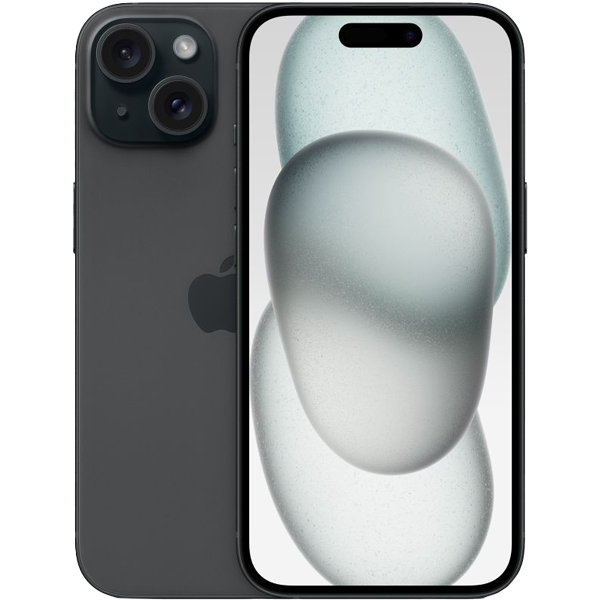
Apple's iPhone 17 series may not be the newest lineup anymore, but every model — from the iPhone Air, iPhone 17, iPhone 17 Pro, and iPhone 17 Pro Max — is still rated IP68 for water and dust resistance, meaning they can handle being submerged in up to 6 meters of fresh water for half an hour. That makes the 17 series a smart pick if you want proven waterproof durability without paying flagship-of-flagships pricing for the newest chip.
As with the 18 Pro series, salt water and pool water fall outside the official testing, so a rinse under the tap after a beach day is still a good habit.
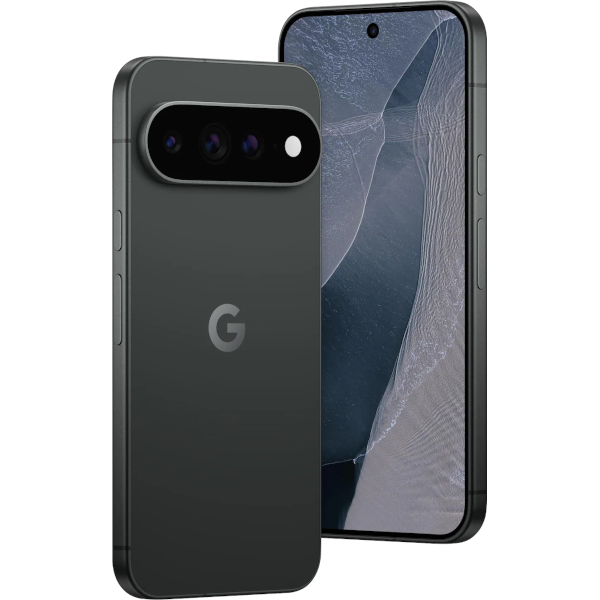
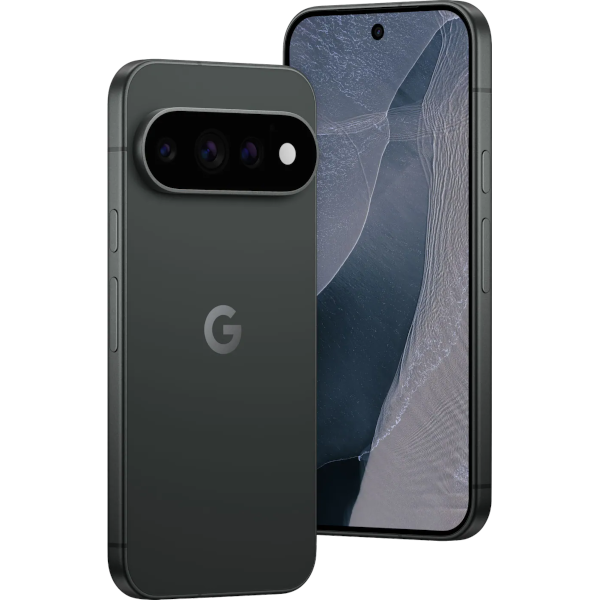
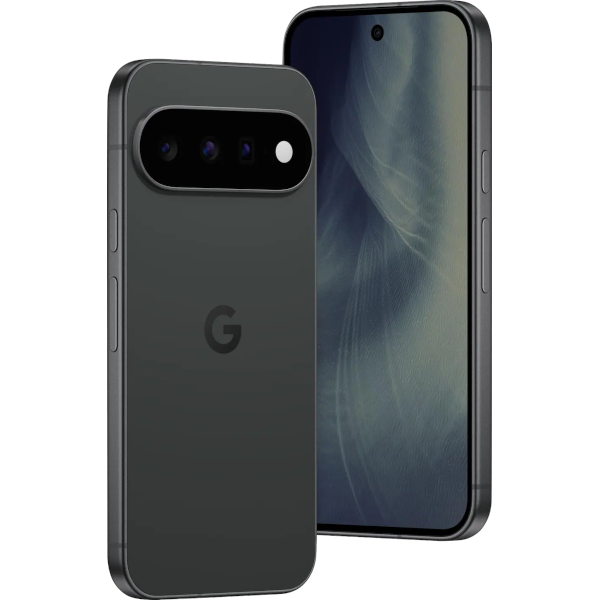
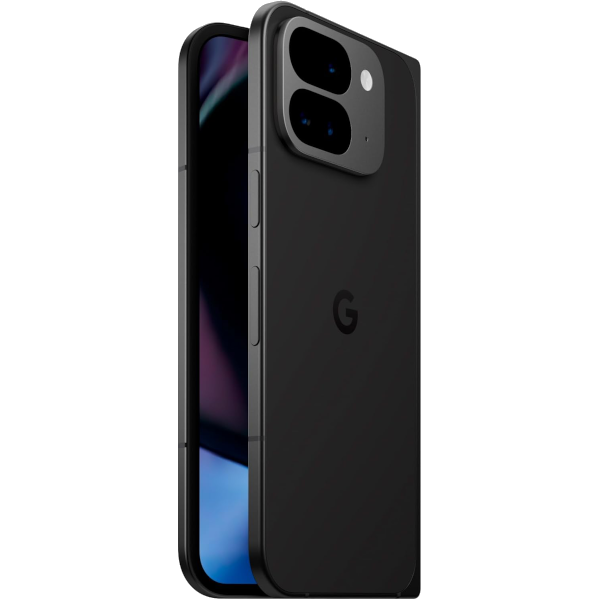
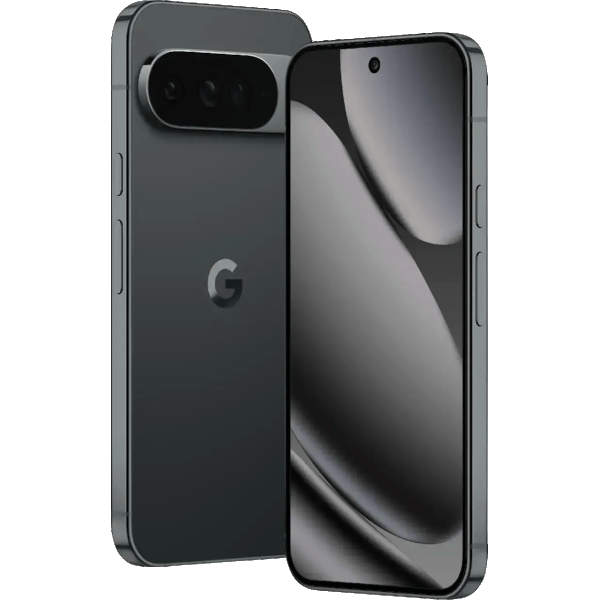
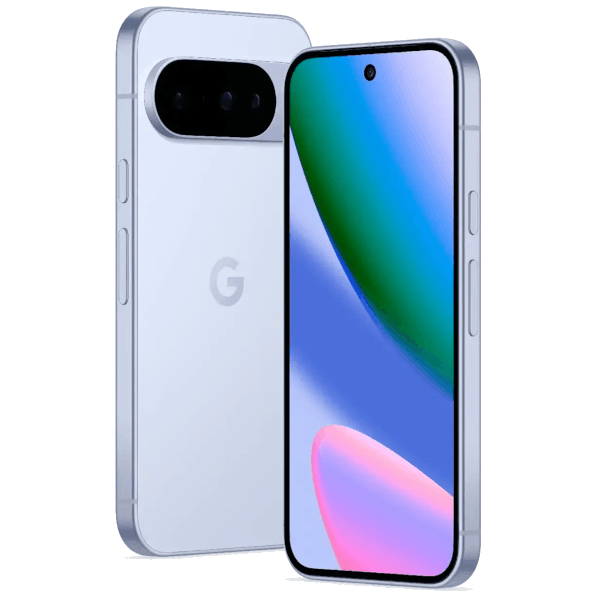
Similar to other phones mentioned here, the Google Pixel 11 offers an IP68 rating for dust and water resistance, meaning it can handle being submerged in fresh water up to 1.5 meters for 30 minutes. While this makes it durable enough to survive everyday spills, it's not completely waterproof, and it's particularly susceptible to damage from saltwater, pools, or soda.
Beyond its water resistance, the Pixel 11 delivers a bright 6.3-inch display reaching up to 3,600 nits of peak brightness that's easy to read indoors or outdoors, along with Google's Tensor G6 processor and Gemini AI features for smooth performance and helpful tools like live translation and smart photo editing. With its strong build, long-term software support, and versatile triple-camera system, the Pixel 11 stands out as one of the most durable and reliable Android phones available.
If your phone has an IP68 rating, it's probably resistant to most kinds of water exposure that you might run into in your daily life. However, no phone manufacturer recommends soaking your phone. Getting a waterproof phone case can still be a smart move, especially if you're prone to pushing the boundaries—like taking your phone into deeper water or environments where it might be exposed to other elements like sand or mud.
In terms of recommendations, it really depends on your specific needs:
This is the case formerly known as LifeProof FRĒ, LifeProof has been folded into the OtterBox brand, and the FRĒ line now ships under the OtterBox name. It's rated IP68 up to 2 meters for an hour, stays MagSafe compatible, and keeps easy access to volume controls and ports while sealing the phone off from water, dust, and drops. It's currently available for the iPhone 17 series and the Galaxy S26 series, and it's the pick for total, no-compromise protection whether you're at the beach, hiking, or skiing.
This case is designed for deep-water adventures, offering protection up to 6 meters deep, along with a belt clip, built-in screen protector, and camera lens cover. It's also built to absorb shocks and bumps, which makes it ideal for more extreme activities. Ghostek has kept pace with current phones, with Nautical and Nautical Slim versions available for the iPhone 17 series and the Galaxy S26 series, including the S26 Ultra.
Punkcase is a solid option for people who want a slimmer everyday case without giving up real waterproofing. Its IP68-certified StudStar and Extreme series are rated to about 6.6 feet (2 meters), include a built-in screen protector, and add military-grade shock resistance without the bulk of a full adventure case. It's available now for the iPhone 17 series and the Galaxy S26 series, including the S26 Ultra, making it a good middle ground between OtterBox's heavy-duty protection and a case you'd forget you're wearing.
All in all, waterproof phones technically exist, depending on how you quantify "waterproofing." At the bare minimum, waterproof or water-resistant phones should survive if they get a little wet. It's just another way to determine whether a phone's durable enough for your needs.
If you're seeking maximum water resistance/waterproofing, make sure to seek out a device with an IP68 rating, like the ones detailed in this article.
Several smartphones are designed to work underwater, typically featuring high IP ratings for water resistance. For example, the Samsung Galaxy S26 and iPhone 18 series have IP68 ratings, allowing them to withstand submersion in water for up to 30 minutes at depths of 2 meters.
To determine if your phone is waterproof, check its IP (Ingress Protection) rating, which indicates its resistance to dust and water. A rating of IP67 or IP68 generally means the phone can withstand submersion in water for a specified time and depth. For example, IP68 typically allows for water exposure up to 1.5 meters for 30 minutes
Yes, all recent iPhone models come with water resistance features. For example, the iPhone 16 and iPhone 17 series have an IP68 rating, allowing them to withstand submersion in water up to 6 meters for 30 minutes.










%201.webp)


.png)