


.avif)
.avif)
.avif)

iPhone Text Effects: Tips and Tricks
September 21, 2026

Plans
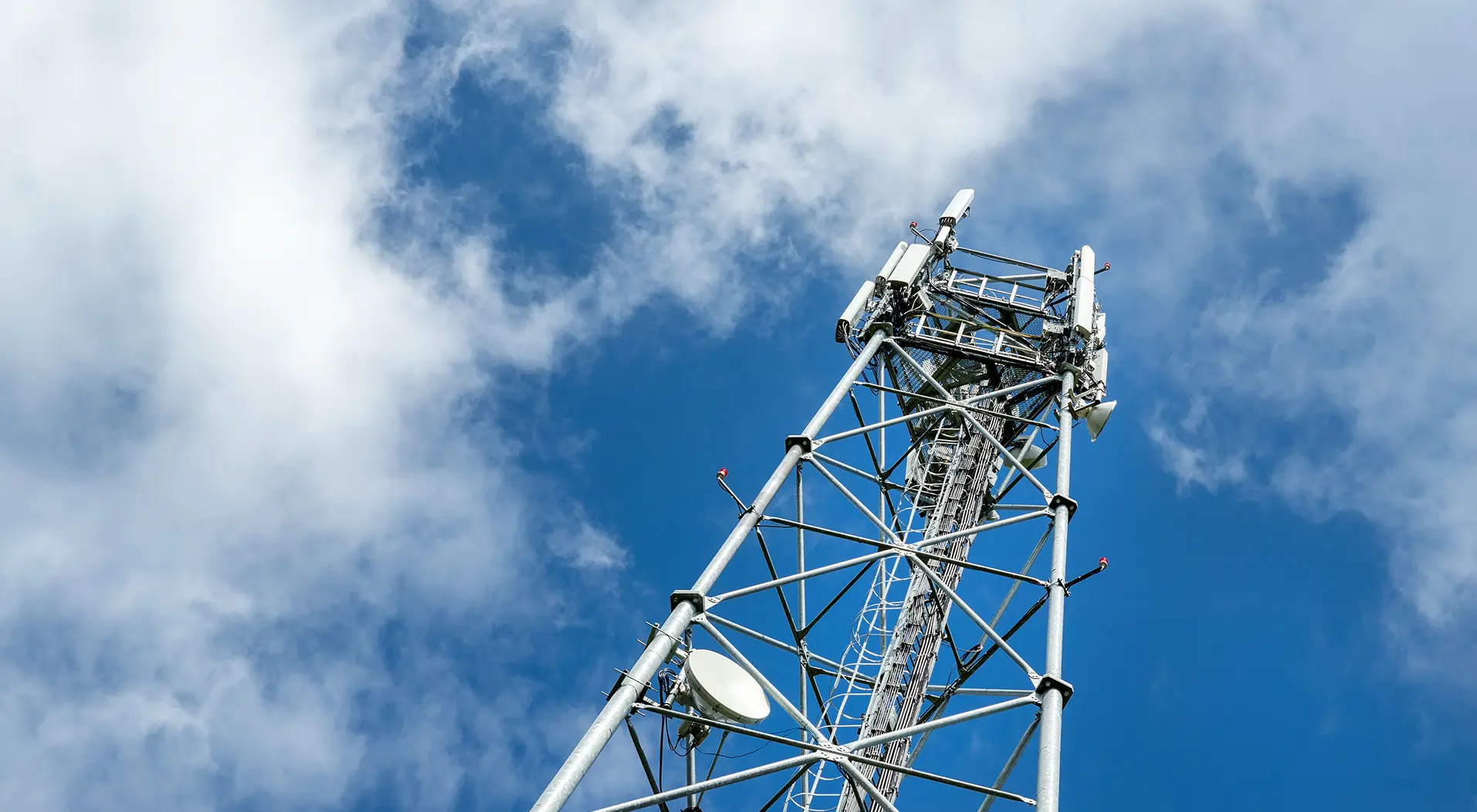

The United States is dominated by three major cell phone coverage networks: AT&T, Verizon, and T-Mobile.
These coverage networks are built to serve the subscribers that are signed up with the carriers that operate them. However, they also play host to numerous smaller carriers, or MVNOs, who piggyback off the towers to provide service to their own customers.
This is especially true of the AT&T network, which is home to numerous low-cost small carriers, known as MVNOs. Signing up for one of these MVNOs can allow you to tap into AT&T coverage, for a fraction of the price that going with AT&T itself would cost you (with a few coverage caveats—more on that later).
In this article, we’ll run down the full list of carriers that operate on the AT&T network, explain how the coverage their customers get differs from regular AT&T customers, and provide a general overview of AT&T’s 4G and 5G coverage performance in America.
{{takeaways}}
AT&T hosts a wide variety of prepaid brands on its network. This includes the AT&T-owned Cricket Wireless, as well as independent carriers like Consumer Cellular and US Mobile (both of which also operate on the Verizon network).
In other words, you have a lot of choice when it comes to finding a carrier that taps into AT&T’s excellent 4G and 5G coverage to provide service to you, at a lower price than AT&T itself.
Some places (looking at you Reddit) will tell you signing up for an AT&T MVNO will get you exactly the same coverage that signing up with AT&T itself will get you—but this is only partly true.
AT&T, as with all major carriers, will always prioritize its own customers ahead of subcarrier customers in times of network congestion. So, while you may get full strength AT&T 5G coverage, for example, during the day time, weekends, or in uncrowded areas, during busier times or in crowded places (like an airport or a sporting event) you may notice slower speeds.
For many, this is a worthwhile tradeoff given the money saved over the pricier plans of AT&T itself; for others, particularly those coming from a major carrier, the drop in coverage consistency is a bigger issue.
According to current FCC statistics, AT&T offers the most combined 4G and 5G coverage in the United States—outdoing both Verizon and T-Mobile.
Check out the interactive map above to see what kind of coverage AT&T delivers in your specific area.
Thinking about making the jump to an AT&T MVNO? Here are some of our favorite plans on the market right now, from a variety of carriers.
{{cricket-wireless-supreme-unlimited}}
{{consumer-cellular-unlimited-plan}}
You don't have to pay AT&T prices to get AT&T coverage. Cricket Wireless, Consumer Cellular, Red Pocket and other prepaid carriers all run on AT&T's 4G LTE and 5G network, and their plans cost much less than AT&T's own.
The catch is deprioritization. AT&T puts its own customers first when the network gets busy, so MVNO customers may see slower speeds in crowded places like airports, stadiums and city centers at rush hour. Most of the time you won't notice. If you're coming from a major carrier and need consistent speeds all the time, it's something to weigh.
Our picks include Cricket Wireless' Supreme Unlimited ($55/month, taxes and fees included) is the best overall AT&T MVNO plan, with 50GB of hotspot data and HBO Max Basic with Ads included. For customers 50 and older, Consumer Cellular's Unlimited plan ($35/month) gets you unlimited data on AT&T's network for even less.
In short, if you want AT&T's coverage and can live with slower speeds at busy times, an AT&T MVNO is one of the easiest ways to cut your phone bill.
Several prepaid carriers, called MVNOs, run on the AT&T network. They include Cricket Wireless, Consumer Cellular, Red Pocket, US Mobile, PureTalk, FreedomPop, FreeUP, and H2O Wireless. Cricket Wireless is owned by AT&T. The others are independent carriers that pay to use AT&T's towers, and their plans usually cost much less than AT&T's own.
AT&T MVNOs use the same 4G LTE and 5G network as AT&T, so your coverage map is largely the same. The difference is deprioritization. When the network is busy, AT&T puts its own customers first, so MVNO customers may see slower speeds in crowded places like airports, stadiums, and city centers at rush hour. Most of the time you won't notice a difference.
Our pick for the best AT&T MVNO plan overall is Cricket Wireless Supreme Unlimited. It costs $55/month with taxes and fees included and comes with unlimited data, 50GB of mobile hotspot data, and HBO Max Basic with Ads. If you're 50 or older, Consumer Cellular's Unlimited plan costs $35/month (before taxes and fees) and also gets you unlimited data on AT&T's network.


Consumer Cellular's Unlimited plan is built for customers 50 and older, and it costs $35/month for a single line before taxes and fees. That gets you unlimited data with no monthly cap, so you won't have to watch your usage or worry about overage charges.
There's a trade-off. The plan includes no premium data, so all of your data is "deprioritized." That means when a cell tower is busy, other customers' traffic goes first and your speeds may slow down. Most of the time you won't notice. You're more likely to see it in crowded places like stadiums, airports, or downtown at rush hour.
Mobile hotspot works on 5G or LTE and uses the same unlimited data pool. You can share your connection with a laptop or tablet without a separate hotspot allowance to keep track of. Just keep in mind that hotspot data gets deprioritized too.


Without a doubt, the best overall Cricket Wireless plan is the carrier’s Supreme Unlimited plan. For a reasonable $55/month, it gives you unlimited high-speed cellular data, 50GB of dedicated mobile hotspot data, Unlimited texts from the U.S. to 200+ countries, and a free HBO Max Basic with Ads subscription. All of this makes Supreme Unlimited one of the best cell phone plan deals on the market in 2026.












.png)