


.avif)
.avif)
.avif)

iPhone Text Effects: Tips and Tricks
September 21, 2026

Phones

Looking for a secure phone? You’ve come to the right place.
We’ve rounded up the most secure phones you can buy in 2026, from mainstream devices with serious privacy credentials to niche handsets built for extreme use cases. These include:
Read on for a full breakdown of each, plus a guide to what actually makes a phone secure and how to choose the right level of protection for your needs.
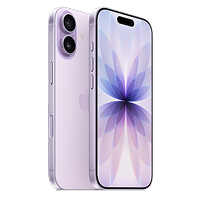
For most people, the iPhone 18 Pro Max represents Apple's biggest privacy-architecture leap in years, built around keeping AI processing entirely on-device rather than in the cloud.
The A20 Pro chip that comes built into the iPhone 18 Pro Max is designed to run complex Apple Intelligence and Large Language Model workloads locally, so personal data never has to leave the handset—even for advanced AI tasks that previously required cloud servers. This hardware-level, privacy-first approach reduces reliance on external servers entirely for AI features. The chip's dual 16-core Neural Engine (32 cores total) handles on-screen recognition, contextual understanding, and conversational Siri processing locally, with 12GB of RAM enabling full Foundation models and LLMs on-device.
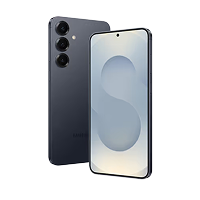
The Google Pixel 11 is the strongest Android choice for privacy-conscious users, and Android 17 has made meaningful improvements over previous generations that close the gap with iOS in several areas.
Google's Tensor G6 chip, like Apple's Secure Enclave, includes a dedicated security coprocessor called Titan M3. This chip handles sensitive on-device processing—including biometric verification, encryption key management, and tamper detection—independently of the main processor. If someone attempts to extract data from a powered-off Pixel by physically accessing the storage chips, the Titan M3 creates a significant barrier to doing so.
Pixel phones also receive Android security patches faster than any other Android device, simply because they're made by the same company that writes Android. Samsung, for example, typically delivers patches weeks or months after Google releases them. For security-focused users, this timing difference matters.
The Librem 5 is known as one of the world’s most secure phones—with good reason.
The most distinctive features are its hardware kill switches. Physical switches on the body of the phone cut power to the cellular modem, WiFi and Bluetooth radio, and camera and microphone independently. When the cellular modem switch is off, the phone cannot transmit or receive any cellular signal, period.
The Librem 5 runs PureOS, a Linux-based operating system that doesn’t connect to any third-party servers by default. This is a next-level security feature that most phones can’t match.
However, the tradeoffs are substantial. The Librem 5 runs on hardware that was already behind the curve when it launched, with performance that feels noticeably slower than any modern mainstream smartphone. It does not run iOS or Android apps, meaning the entire app ecosystem most users rely on is unavailable. Plus, the phone is fairly expensive relative to what it delivers in terms of everyday performance.
The Finney U1 occupies a very specific niche: it is the most polished consumer smartphone for users who work with cryptocurrency regularly and want their crypto wallet integrated directly into the device at a hardware level.
The phone includes a cold storage crypto wallet built into a dedicated secure element, physically separated from the rest of the phone's hardware. This means your private keys are never exposed to the internet-connected portion of the device, even when you're making transactions. The wallet activates through a sliding screen panel that reveals a secondary display dedicated entirely to crypto operations.
This crypto integration is the product's entire identity. The security features outside of that niche aren’t significantly better than what you'd get from a mainstream flagship with good privacy settings applied.
For the vast majority of people, mainstream flagships like the iPhone 18 Pro Max or Pixel 11 offer the best balance of strong hardware security, consistent updates, and everyday usability. If you need extreme privacy controls or operate in high-risk environments, niche devices like the Librem 5 deliver unmatched isolation—but with serious tradeoffs. And if your concerns are highly specific, like protecting crypto assets, specialized phones like the Finney U1 can make sense.
Neither platform is categorically more secure — it depends on the specific devices and how they are configured. Apple's consistent update schedule, hardware Secure Enclave, and advertising-free business model give iPhones a practical edge for most consumers.
No. Any device connected to a network has an attack surface, and the history of security research is a consistent record of vulnerabilities being discovered in systems that were considered highly secure.
Security refers to protecting your device and its data from unauthorized access—preventing someone from breaking into your phone, intercepting your communications, or stealing your data.












.png)